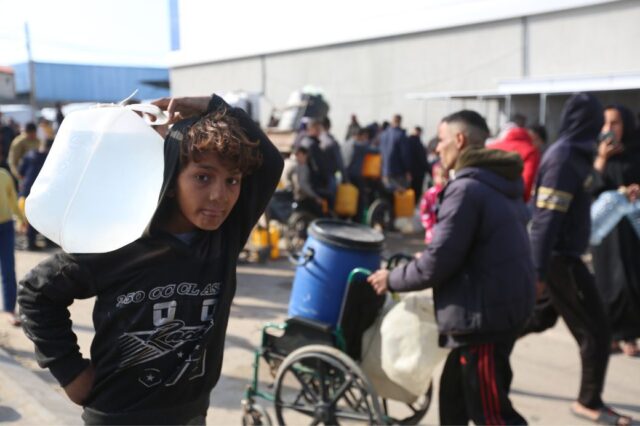
Gaza: our therapeutic food cargo against the dramatic hunger crisis
We at CESVI have finally entered Gaza from Rafah with a shipment of 18 tons of therapeutic food [...]
read moreCooperazione, Emergenza e Sviluppo
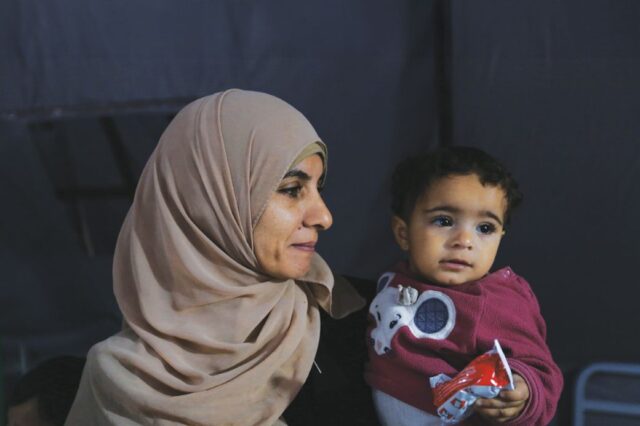
‘The situation in the Gaza Strip is catastrophic and continues to worsen: famine is [...]
Publication Financial statements Cesvi Tunisia years 2018/2019, 2020, 2021 / Publication États [...]
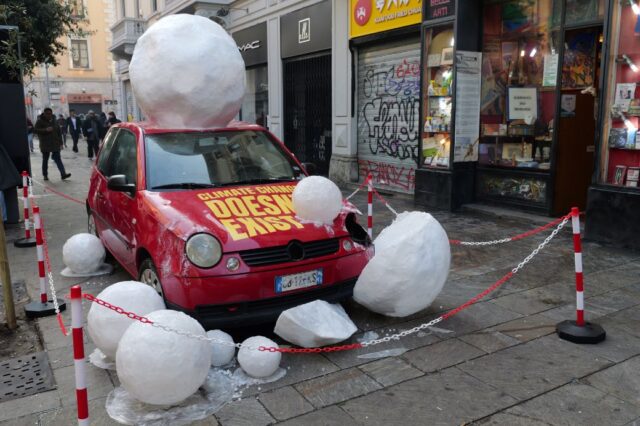
The installation can be seen in Via Paolo Sarpi, at numbers 19 and 21, from Tuesday 20 to [...]
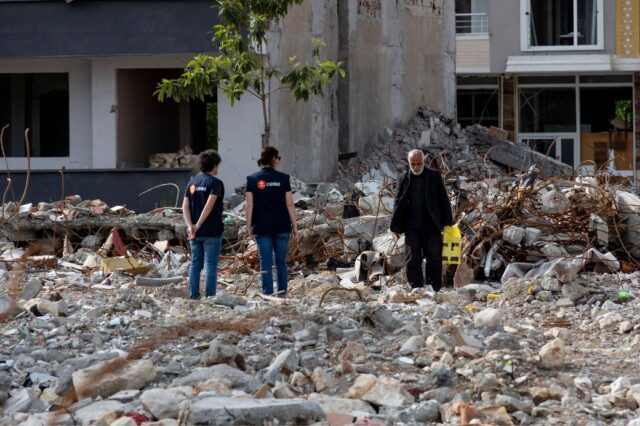
One year has already passed since the catastrophic emergency that struck Türkiye and Syria last [...]
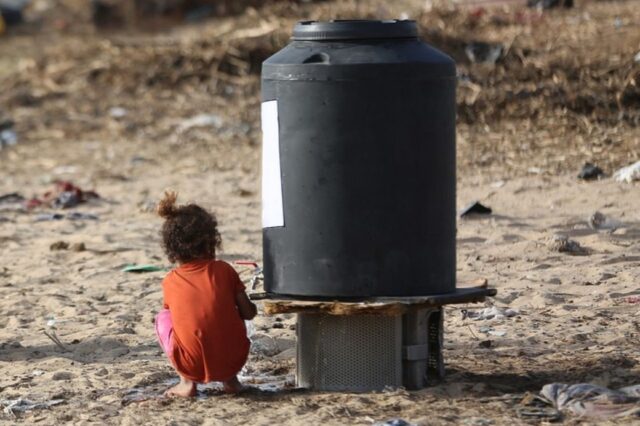
DONATE NOW TO SAVE THOUSANDS OF CHILDREN FROM MALNUTRITION Almost four months have passed since [...]
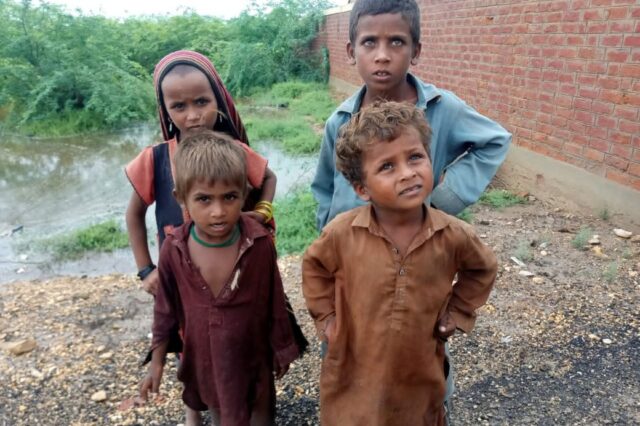
According to the United Nations*, the last eight years have been the hottest ever: rising [...]
We at CESVI have finally entered Gaza from Rafah with a shipment of 18 tons of therapeutic food [...]
read moreFor more than 35 years Cesvi has been delivering Italian solidarity worldwide to defend the rights and dignity of every human being

They represent the heart and the engine of our mission all over the world.

We run 113 projects in 4 continents: Africa, Asia, Latin America and the Carribean, and Europe

We invest on local staff to guarantee effective sustainability to our action.

For every Euro donated, 91 cents go straight to the field and only 9 cents are used for management costs. In addition to our intervention sectors, we are strongly committed in activities of awareness-raising.
Unexpected events causing material and human losses: natural disasters (earthquakes, floods, etc.), wars, epidemics, famines.
Tell me moreProjects to ensure access to good-quality food and water for everybody. Promotion of rural activities to foster communities' independence.
Tell me moreSupport to disadvantaged children all over the world to foster access to school, recreational activities and trainings.
Tell me moreFight to pandemics (Aids, malaria, tuberculosis) where they are severe: Sub-Saharan Africa and South-East Asia.
Tell me moreSustainable management of natural resources. Focus on local communities development and cross-borders areas.
Tell me moreAwareness-raising campaigns in Italy and in Europe to inform young people mainly on international cooperation.
Tell me moreChange is in your hands

With your donation you can change the life of vulnerable children, women and men.
read more
Promoting global citizenship: we make a call for a real change.
read more
Great projects need a great heart. Help us make them happen!
read more
Corporate social responsibility turns into a unique opportunity of business growth.
read more